
Indoor Pickleball Balls That Won’t Crack Under Pressure
The Right Ball Makes All the Difference for Indoor Pickleball
Pickleball indoor balls are specially designed balls for playing on gym floors, hardwood courts, and other indoor surfaces. According to the equipment standards maintained by USA Pickleball, the right ball ensures a consistent bounce and flight. If you want a quick answer, here are the top options to consider:
Best indoor pickleballs at a glance:
| Ball | Best For | USAPA Approved | Pack Options |
|---|---|---|---|
| GAMMA Photon | Tournament & rec play | Yes | 6-pack, 60-pack |
| Onix Fuse Indoor | All skill levels | Yes | 3, 6, or 100-pack |
| Diadem Official Indoor | Hardwood surfaces | Yes | 3, 6, 12, or 50-pack |
| PIXA Titan Pro 26 | Control & durability | Yes | 3, 6, or 12-pack |
| Crown Pickleball Indoor | Value & visibility | No | 3-pack |
Here’s the problem most beginners run into: you grab a ball off the shelf, start playing indoors, and it either bounces all over the place or cracks after a few sessions. That’s usually because it’s the wrong type of ball for indoor play.
Indoor and outdoor pickleballs are genuinely different. Indoor balls have larger holes (typically 26) and are made from slightly softer plastic. This gives you more control on smooth gym floors where there’s no wind to fight.
Picking the right ball early on saves you frustration and money.

Indoor vs. Outdoor: Why You Need Specific Pickleball Indoor Balls
When we first start playing, a plastic ball looks like a plastic ball. But as we’ve learned at Voce Economia, the physics of the court change everything. If you take an outdoor ball into a gymnasium, you’ll notice it feels “skittery.” It’s designed to be heavy and hard to resist the wind, but on a smooth hardwood floor, that hardness makes it bounce inconsistently and skip off the surface.
The primary difference lies in the hole count. Most high-quality pickleball indoor balls feature 26 precision-drilled holes. Because indoor players don’t have to worry about a 15-mph gust of wind blowing their shot into the next zip code, these holes can be larger. Larger holes provide more drag, which slows the ball down slightly and allows for better control during those intense dink rallies.
Weight is another factor. A standard indoor ball, like the PIXA Titan Pro 26, weighs approximately 0.88 oz and has a diameter of roughly 2.88 inches. This lighter weight, combined with the softer Polyethylene (PE) material, makes the ball more “forgiving.” It’s easier to manipulate with spin and less likely to cause fatigue during long sessions.
If you’re just getting your feet wet in the sport, understanding these technicalities is the first step toward a better game. For more on the basics, check out our guide on finding-the-best-pickleball-balls-for-beginners.
Key Features of High-Performance pickleball indoor balls
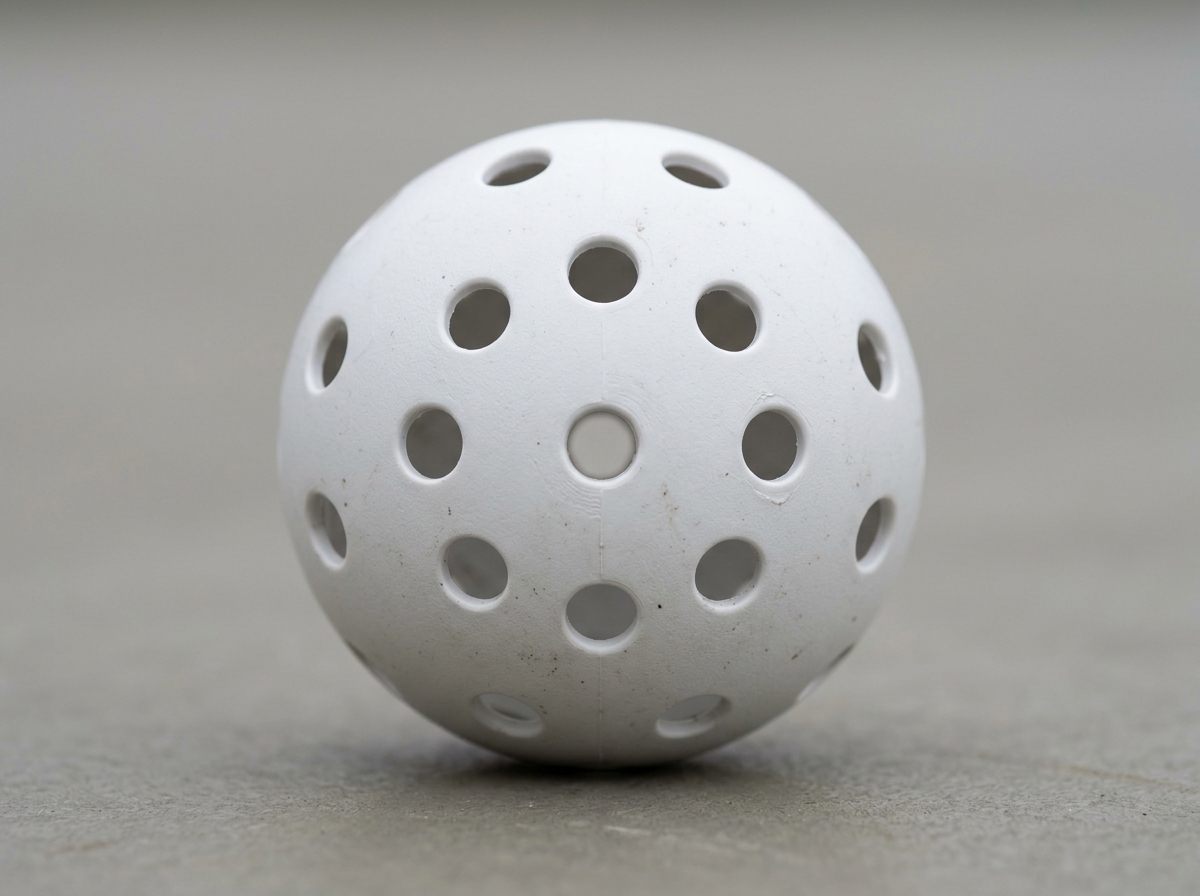
When we evaluate pickleball indoor balls, we look for a few non-negotiable “pro” features. You don’t want a ball that feels like a cheap toy; you want a piece of equipment that responds to your paddle.
Seamless Construction vs. Two-Piece Welds
The highest-quality balls, such as those from Diadem or Onix, often use a single-mold seamless construction. This is a game-changer. Older or cheaper balls are often made of two halves “welded” together. The seam is a natural weak point where the ball is most likely to crack. Seamless injection molding ensures the ball maintains its round shape throughout its lifespan, providing a truest flight and more authentic bounce.
Precision Drilling and Balance
Have you ever hit a ball that seemed to “wobble” in mid-air? That’s usually due to poor balance. Brands like PIXA and Onix use precision-drilled hole patterns to ensure the ball is perfectly balanced. This consistency is vital when you’re trying to land a delicate third-shot drop.
Crack Resistance and Temperature Testing
Indoor courts aren’t always climate-controlled to perfection. Some of us play in community centers that feel like refrigerators in the winter! We appreciate brands like Diadem that test their balls in extreme conditions, sometimes as cold as 45 degrees. High-performance PE plastic is engineered to be slightly harder than “mushy” bargain balls, which actually helps it resist cracking while maintaining a crisp “pop” off the paddle.
Using a ball that can’t handle the pressure is a recipe for a bad afternoon. To avoid the headache of constantly replacing gear, we recommend you stop-playing-with-bad-balls-and-get-the-best-instead.
Top-Rated Models for Tournament and Recreational Play
Choosing the right ball depends on your goals. Are you training for a local tournament, or are you just looking for a durable ball for your weekly rec group?
| Brand/Model | Key Feature | Best For |
|---|---|---|
| GAMMA Photon | USAPA Approved | Tournament Play & High Visibility |
| Onix Fuse Indoor | Superior Balance | Consistent Playability |
| Diadem Official | Seamless Mold | Hardwood Gym Floors |
| Crown Dragonfruit | High Visibility | Darker Indoor Facilities |
| GAMMA Librarian | Foam Construction | Practice & Noise Reduction |
The Tournament Standards
If you plan to play competitively, you must practice with USAPA-approved balls. The GAMMA Photon is a crowd favorite here, boasting a 4.5-star rating from hundreds of players. It’s known for a consistent flight path and high-visibility optic green color. Similarly, the Onix Fuse Indoor is specifically engineered to bridge the gap between indoor and outdoor play, making it a great transition ball for players who move between venues.
The Innovation in Foam
Sometimes, “standard” isn’t what you need. For those practicing at home or in facilities with strict noise regulations, the GAMMA Librarian foam pickleballs are a fantastic alternative. They offer a 4.4-star rating and provide a much quieter experience without sacrificing too much of the “real ball” feel. This is especially helpful for beginners who want to work on their swing mechanics without the loud “pop” echoing through the house.
For a deeper dive into which of these might suit your specific skill level, see our expanded list on finding-the-best-pickleball-balls-for-beginners-2.
Buying Guide: Bulk Deals, Pricing, and Maintenance
We know that pickleball can get expensive if you’re buying balls three at a time. If you’ve found a ball you love, buying in bulk is the smartest move you can make.
Pack Sizes and Pricing
- 3-Packs: Usually cost between $8.99 and $10.95. These are great for testing a new brand.
- 12-Packs/Dozens: These typically offer a slight discount, often landing around the $30–$35 range.
- Bulk (50 to 100-packs): This is where the real savings are. For example, Onix Fuse 100-packs can go for around $230, bringing the price per ball down significantly. This is the “gold standard” for clubs and community centers.
Maintenance and Lifespan
While indoor balls don’t have to deal with sun damage or rough asphalt, they still need some love. Here are our top tips for making them last:
- Temperature Control: Don’t leave your bag in a freezing car. Extreme cold makes the plastic brittle, leading to those dreaded cracks.
- Clean the Floors: Dust on a gym floor acts like sandpaper. While you can’t always control the court, keeping your balls clean with a quick wipe-down prevents “skidding.”
- Rotation: Don’t just play with the same two balls until they die. Rotate through your pack to ensure they wear down evenly.
Frequently Asked Questions about Indoor Play
Which colors offer the best visibility for pickleball indoor balls?
Visibility is everything when the game speeds up. In most indoor gyms with “busy” floors (basketball lines, volleyball lines, etc.), Optic Yellow or Neon Green are the standard because they pop against the wood. However, if you play in a facility with poor lighting, we’ve found that “Dragonfruit” pink or bright orange (like the Diadem balls) can be even better. The contrast helps you track the ball against the walls and ceiling.
How do indoor pickleballs perform on hardwood gym floors?
On hardwood, you want a ball that “grips” just enough to provide an authentic bounce. High-quality indoor balls are designed to reduce skidding. Some brands, like Crown, even use a “soft-brushed” plastic finish specifically to protect hardwood floors and ensure the ball doesn’t just slide when it hits a dusty patch.
Are there noise-reducing pickleball indoor balls?
Yes! If you are playing in a neighborhood with strict HOA noise rules or just want a quieter practice session, look for foam-based balls like the GAMMA Librarian. These are significantly quieter than plastic balls. While they don’t bounce exactly like a USAPA-approved tournament ball, they are excellent for drills and skill development.
Conclusion
At Voce Economia, we believe that having the right gear is the quickest way to improve your enjoyment of the game. Whether you’re a beginner looking for your first set of reliable pickleball indoor balls or an advanced player seeking the consistency of a Diadem or Onix tournament ball, the choices you make today will impact your performance on the court.
Remember to look for that 26-hole pattern, prioritize seamless construction for durability, and don’t be afraid to buy in bulk once you find your favorite.
Ready to round out the rest of your kit? Explore more pickleball equipment and let’s get playing!
