
Why the Paddle Material You Pick Changes Everything on the Court
Is carbon fiber or graphite better for pickleball? It’s one of the most common questions new players ask — and the answer actually depends on how you play.
Here’s the short version:
| Carbon Fiber | Graphite | |
|---|---|---|
| Best for | Power, spin, durability | Control, quick handling |
| Feel | Firm, stable, textured | Light, smooth, fast |
| Price | $110–$220 | $50–$120 |
| Weight | 7.8–8.4 oz | 7.5–7.8 oz |
| Ideal player | Intermediate to advanced | Beginner to intermediate |
| Durability | Lasts 20–30% longer | Wears faster over time |
Carbon fiber wins on spin, durability, and power. Graphite wins on price, lightness, and ease of use for newer players.
But here’s the thing most buyers miss: these two materials are not the same, even though paddle brands sometimes use the terms almost interchangeably. Carbon fiber is made from woven filaments that create a stiff, textured surface. Graphite uses thinner, layered carbon that feels smoother and lighter in the hand.
That difference in structure changes how the paddle feels, how long it lasts, and how much spin you can generate — which matters a lot more once you move past casual weekend play.
If you’ve ever grabbed a paddle that felt “dead” after a few months, or one that sent the ball flying when you just wanted a soft drop shot, the material was almost certainly part of the problem.

Important is carbon fiber or graphite better for pickleball terms:
The Science of Surface: Is Carbon Fiber or Graphite Better for Pickleball?
When we talk about the “face” of a paddle, we are talking about the thin layer of material that actually makes contact with the ball. While both carbon fiber and graphite are carbon-based, their molecular “personalities” couldn’t be more different.
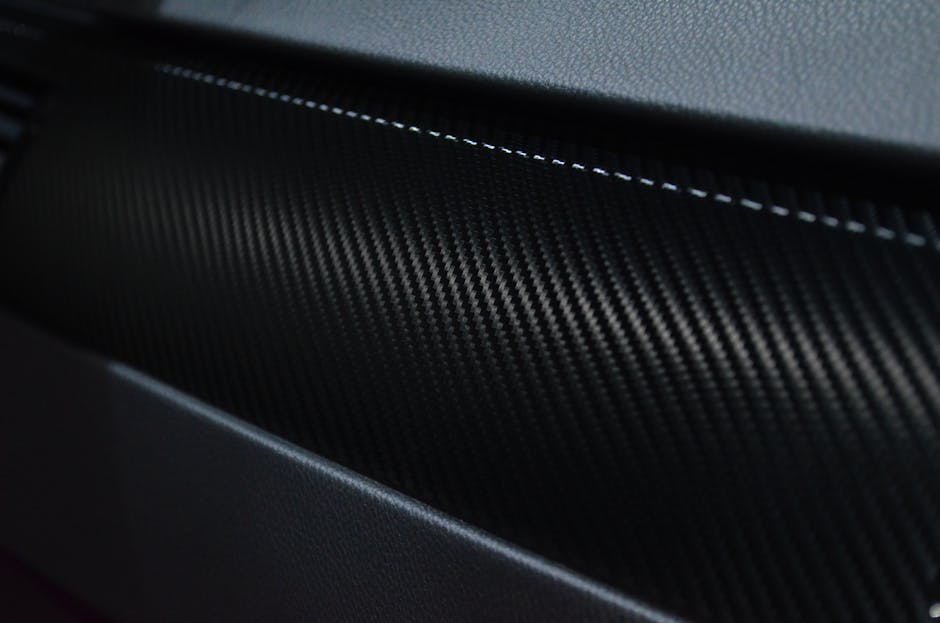
Carbon fiber is constructed from thousands of microscopic filaments bundled together and woven into a fabric-like sheet. These woven ribbons are then bonded with resin to create a surface that is incredibly stiff and strong. This stiffness is what gives carbon fiber its “refined” feel; when the ball hits the paddle, the energy is redistributed evenly across the face, reducing the “dead spots” that plague cheaper materials.
Graphite, on the other hand, consists of carbon atoms arranged in crystalline layers. In pickleball, a graphite face is usually a very thin layer — often just millimeters thick — that is pressed onto the core. Because it’s not woven like carbon fiber, it doesn’t have the same structural reinforcement, but it is exceptionally lightweight. This makes graphite paddles feel “faster” in the air, which is a lifesaver during those frantic “firefights” at the kitchen line.
Marketing Myths: Are They the Same Material?
If you’ve been browsing online, you might have noticed some brands use these terms interchangeably. However, we want to clear up the confusion. In many cases, “graphite” is used as a marketing shorthand for a thin carbon-based coating that might even be blended with fiberglass.
True carbon fiber paddles are usually more “pure” in their construction, often utilizing aerospace-grade materials like T700 or 18K carbon. When deciding is carbon fiber or graphite better for pickleball, “Raw Carbon Fiber” is currently the gold standard for competitive play because it leaves the weave exposed for maximum friction. For a deeper dive into these basics, check out our guide on decoding pickleball paddle materials for beginners.
Is carbon fiber or graphite better for pickleball control and feel?
Control is the name of the game in pickleball. If you can’t drop the ball softly into the kitchen, you’re going to have a bad time.
Carbon fiber is often touted as the king of control because of its vibration dampening. When you hit a ball with a carbon fiber paddle, it absorbs much of the impact, giving you a “plush” feel. This stability allows for incredible consistency on dinks and resets.
Graphite, while also excellent for control, provides more “feedback.” It’s a thinner surface, so you really feel the ball on the paddle. Some players love this because it helps them gauge how much force they are putting into a shot. However, for those looking for a stable, predictable response on every hit, carbon fiber usually takes the trophy. You can learn more about how these textures affect your early games in our decoding pickleball paddle materials for beginners-2 article.
Performance Breakdown: Power, Control, and Spin
To help you visualize the trade-offs, we’ve put together this quick comparison table based on the latest performance data.
| Feature | Carbon Fiber | Graphite |
|---|---|---|
| Power/Pop | High (Stiff face) | Medium (Flexible feel) |
| Control/Touch | Very High (Dampening) | High (Feedback) |
| Spin Potential | Elite (Textured weave) | Good (Smooth/Light grit) |
| Sweet Spot | Large & Consistent | Medium |
| Vibration | Low (Absorbs shock) | Moderate (Transmits feel) |
When we look at energy transfer, carbon fiber’s stiffness means more of your swing energy goes directly into the ball. Graphite paddles can sometimes feel a bit “softer” or more flexible, which is great for touch but might require a bit more effort to drive the ball deep into the baseline. If you’re wondering how these stack up against other common surfaces, read our piece on decoding pickleball paddle materials for beginners-3.
The Role of the Core: Polymer vs. Nomex
The face material doesn’t work alone; it’s a partnership with the core. Most modern carbon fiber and graphite paddles use a polymer (polypropylene) honeycomb core. This core is the industry favorite because it’s quiet and offers a great balance of power and touch.
However, if you pair a graphite face with a Nomex core (a hard, paper-like material coated in resin), you get a paddle with incredible “pop” and noise. It’s loud, it’s fast, and it’s powerful. Generally, if you want the ultimate control setup, we recommend a carbon fiber face with a thicker polymer core (16mm). If you want more power, look for a thinner core (13mm) or a composite blend. We discuss these core dynamics further in the great debate of wood vs fiberglass paddles.
Spin Potential and Surface Grit
Spin has become the “secret sauce” of high-level pickleball. If you want to rip topspin serves or keep your slices low, you need friction.
Is carbon fiber or graphite better for pickleball spin? Carbon fiber is the clear winner here. Because the carbon is woven, the surface has a natural, microscopic texture that “grabs” the ball. Unlike fiberglass paddles, where the grit is often just a spray-on coating that wears off in 1-2 months, carbon fiber’s texture is part of the material itself.
Graphite paddles are usually smoother. While some have added texture, it rarely matches the RPM (revolutions per minute) generation of a high-quality carbon fiber weave. If spin is your priority, you might want to check out the ultimate guide to picking your first pickleball paddle to see how surface friction impacts your learning curve.
Durability and Value: Which Material Lasts Longer?
Pickleball paddles are an investment, and nobody wants to spend $150 on something that loses its “pop” in three months.
Statistics show that carbon fiber paddles typically maintain their peak performance 20 to 30 percent longer than graphite paddles under similar playing conditions. Graphite is more prone to micro-cracks and surface chipping over time, especially if you’re an aggressive player who frequently scrapes the ground for low balls.
Carbon fiber’s structural integrity is simply superior. It resists the “dead spots” that occur when the face material begins to delaminate or separate from the honeycomb core. While carbon fiber paddles come with a premium price tag (often $150–$200+), the price-to-performance ratio is often better in the long run because you won’t need to replace it as often. For more tips on making your gear last, see our guide on how to pick your first paddle without breaking a hip.
Choosing Your Match: Skill Level and Playing Style
Your choice should ultimately reflect the player you want to be.
- The Aggressive Power Player: You like drives, overheads, and putting the ball away. You’ll appreciate the stiffness and “pop” of a carbon fiber paddle.
- The Defensive Finesse Player: You win points with dinks, resets, and patience. A lightweight graphite paddle or a thick-core carbon fiber paddle will be your best friend.
- The All-Court Player: You need a bit of everything. A mid-weight carbon fiber paddle offers the versatility to transition from a hard drive to a soft drop shot seamlessly.
For a look at how these modern materials compare to old-school options, don’t miss our article on choosing your first paddle between wood and aluminum.
Is carbon fiber or graphite better for pickleball beginners?
For absolute beginners, graphite is often the smarter starting point. Why? Because graphite paddles are generally lighter (7.5–7.8 oz) and more affordable. When you’re first learning the game, maneuverability is more important than raw power or extreme spin. A lighter paddle helps you react faster at the net and prevents the dreaded “pickleball elbow” that can come from swinging a heavy, stiff paddle before your muscles are conditioned.
However, if you know you’re going to be playing three times a week and want a paddle that will grow with you as you reach an intermediate level, jumping straight to carbon fiber might save you money on an upgrade later. We break down these buying decisions in the ultimate guide to buying your first pickleball paddle.
Advanced Play and Future Trends
The world of pickleball tech is moving fast. We are seeing a massive shift toward thermoforming, a process where the paddle is molded under heat to create a seamless, one-piece construction. This makes carbon fiber paddles even more durable and powerful.
We are also seeing “hybrid” faces that blend graphite’s lightness with carbon fiber’s strength. Aerospace-grade materials are becoming the standard for pros, who demand a paddle that can withstand 100+ mph ball impacts without losing its shape. As the sport grows, expect to see even more customization options, including adjustable weights and specialized surface coatings to push spin limits even further.
Frequently Asked Questions about Carbon Fiber vs. Graphite
Why are carbon fiber paddles more expensive?
Carbon fiber requires a more complex manufacturing process. Sourcing high-quality carbon tow (the bundles of filaments) and weaving them into sheets is significantly more expensive than producing the thin carbon layers used in graphite paddles. You’re paying for the aerospace-grade durability and the enhanced spin potential.
Do professional players prefer graphite or carbon fiber?
The vast majority of professional players have made the switch to carbon fiber. The combination of spin generation, power, and a more consistent sweet spot makes it the superior choice for high-stakes tournament play. Graphite is still seen in the hands of some control-oriented pros, but it is becoming less common.
How often should I replace my paddle based on material?
If you play 3-4 times a week, a graphite paddle may start to lose its “pop” or grit after 6-9 months. A high-quality carbon fiber paddle can often last 12 months or longer before you notice a significant drop in performance. Always check for “dead spots” by tapping the paddle face with a ball; if it sounds “thuddy” in certain areas, it’s time for a new one!
Conclusion
At Voce Economia, we believe that the right gear should make the game more fun, not more frustrating. When deciding is carbon fiber or graphite better for pickleball, the answer comes down to your budget and your goals.
If you are a casual player looking for a lightweight, budget-friendly entry into the sport, a graphite paddle is a fantastic choice that offers great feel and quick handling. However, if you are looking to elevate your game, generate massive spin, and invest in a paddle that will last through hundreds of matches, carbon fiber is the undisputed champion.
Align your choice with your playing style, and you’ll find yourself winning more rallies and having more fun on the court. Ready to gear up? Explore our full range of pickleball equipment guides to find the perfect fit for your game!
